This is the question I answer most often, and it's the one people get wrong in the most expensive direction — they over-buy. Massively.
Here's the math I actually use when I build an order, plus the parts that trip people up.
The short answer
- Two drinks in the first hour, then one per person per hour after.
- A 100-person, four-hour event is roughly 500 drinks.
- Split it about 50% beer, 25% wine, 25% spirits unless you know your crowd.
- Ice: 1.25 lbs per guest. Everyone underestimates this.
- Buy where unopened bottles are returnable. Then over-buying costs you nothing.
The first hour is what catches people out
People plan for an average and then get flattened in hour one.
Guests arrive thirsty, they arrive all at once, and the first thing most of them do is find the bar. So I plan on two drinks per person in that first hour, then one per hour after that. A four-hour event with 100 guests works out around 500 drinks total.
That number sounds enormous. It isn't — it's the whole night, spread across every guest, and a decent chunk of it will be beer that doesn't get finished.
The split
Unless you know your crowd specifically, start here:
- 50% beer
- 25% wine
- 25% spirits
Then adjust for what you actually know. A crowd in their twenties skews harder to spirits and seltzer. An older crowd drinks more wine. A summer afternoon in Florida drinks a lot more beer than a December evening does.
If you're running signature cocktails instead of a full bar — which I recommend for most events — the spirits portion gets much easier to buy, because you know exactly which bottles you need.
Ice. Please read this part.
Plan 1.25 pounds per guest. For 100 people that's 125 pounds of ice.
And that's the floor, not the target. This is Florida. Ice in a cooler outdoors in June is a melting asset. If you're doing a summer afternoon event, buy more than the math says and don't think about it again.
The number of events I've arrived at where the ice situation was "we got four bags" is higher than it should be. Four bags is about 80 pounds short.
Don't forget the unglamorous stuff
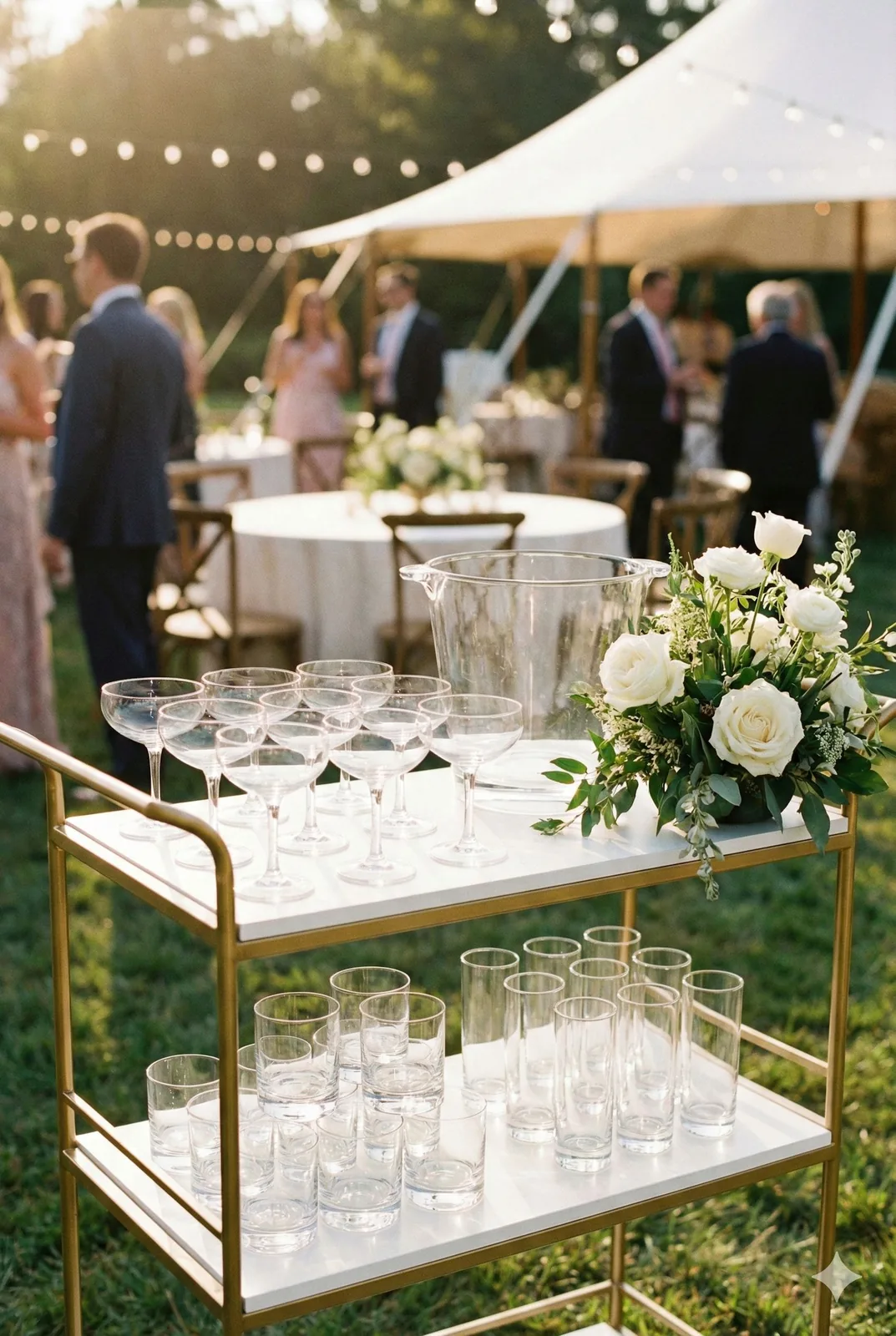
- Cups — two to three per guest, because people set them down and lose them.
- Mixers — club soda, tonic, ginger beer, a couple of juices. More than you think.
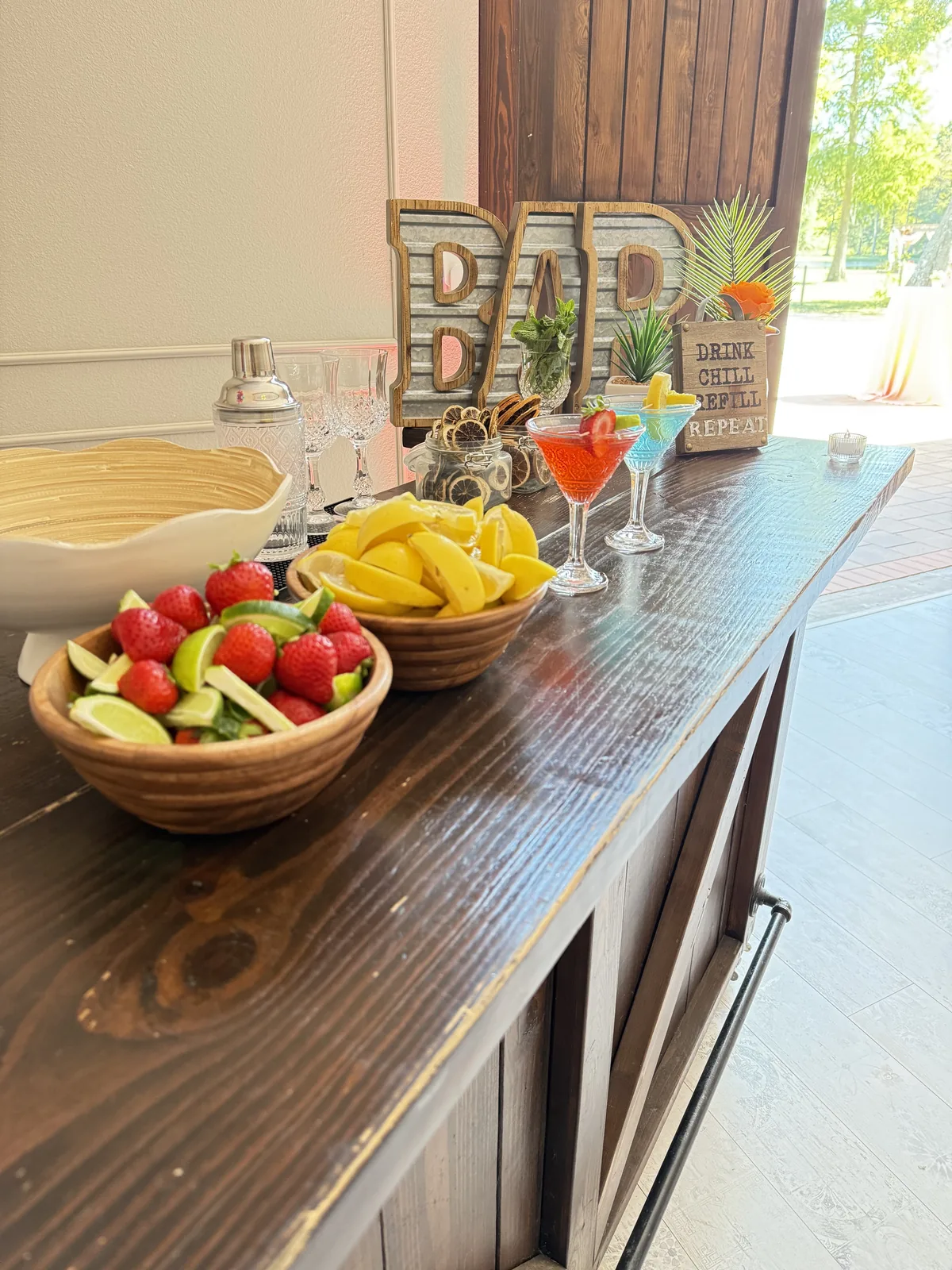
- Garnish — limes especially. Always more limes.
- Napkins and straws — cheap, and infuriating to run out of.
- Something non-alcoholic that isn't soda — see my rant about that.
When you book me, all of that is included — it's part of the per-guest service charge, so it's not a separate shopping trip. If you're doing it yourself, write it down now, because this is the list people remember at 4pm on the day.
Buy where you can return what you don't open
This is the trick that makes all of the above low-stakes.
I build every order through ABC Fine Wine & Spirits, where unopened wine and liquor is returnable. That means the correct strategy is to over-buy slightly on purpose. You never run out, and whatever stayed sealed goes back for a refund.
Buying somewhere without returns flips the whole calculation and forces you to cut it fine, which is how events run dry at 9:30.
Just get the list
Rather than doing this math yourself, the free alcohol calculator does it for you — guest count, bar type, duration, and it spits out a shopping list you can take to the store. It's the same math I use.
Use it whether or not you ever hire me. Honestly, I'd rather you not over-buy by $400 than have you never find the tool.
Questions I actually get asked
How much alcohol do I need for 100 guests?
For a four-hour event with 100 guests, plan on roughly 500 drinks total. Budget two drinks per person in the first hour and one per person per hour after that, then split it about 50% beer, 25% wine and 25% spirits.
How much ice do I need per guest?
Plan 1.25 pounds of ice per guest, which is about 125 pounds for 100 people. In Florida heat you should buy more than the math suggests, because ice sitting outdoors melts far faster than people expect.
What is the right beer, wine and liquor split?
A 50% beer, 25% wine and 25% spirits split works for most mixed crowds. Younger crowds skew further toward spirits and seltzer, older crowds drink more wine, and warm afternoon events drink noticeably more beer.
Should I buy extra alcohol just in case?
Yes, as long as you buy somewhere unopened bottles are returnable. WinterBrooke Bar builds orders through ABC Fine Wine & Spirits where unopened wine and liquor can be returned, so slightly over-buying costs nothing and guarantees you do not run dry.
What else do I need besides the alcohol?
Ice, cups at two to three per guest, mixers, garnish, napkins and straws. When you book WinterBrooke Bar all of that is included in the per-guest service charge, so the only thing you buy is the alcohol itself.
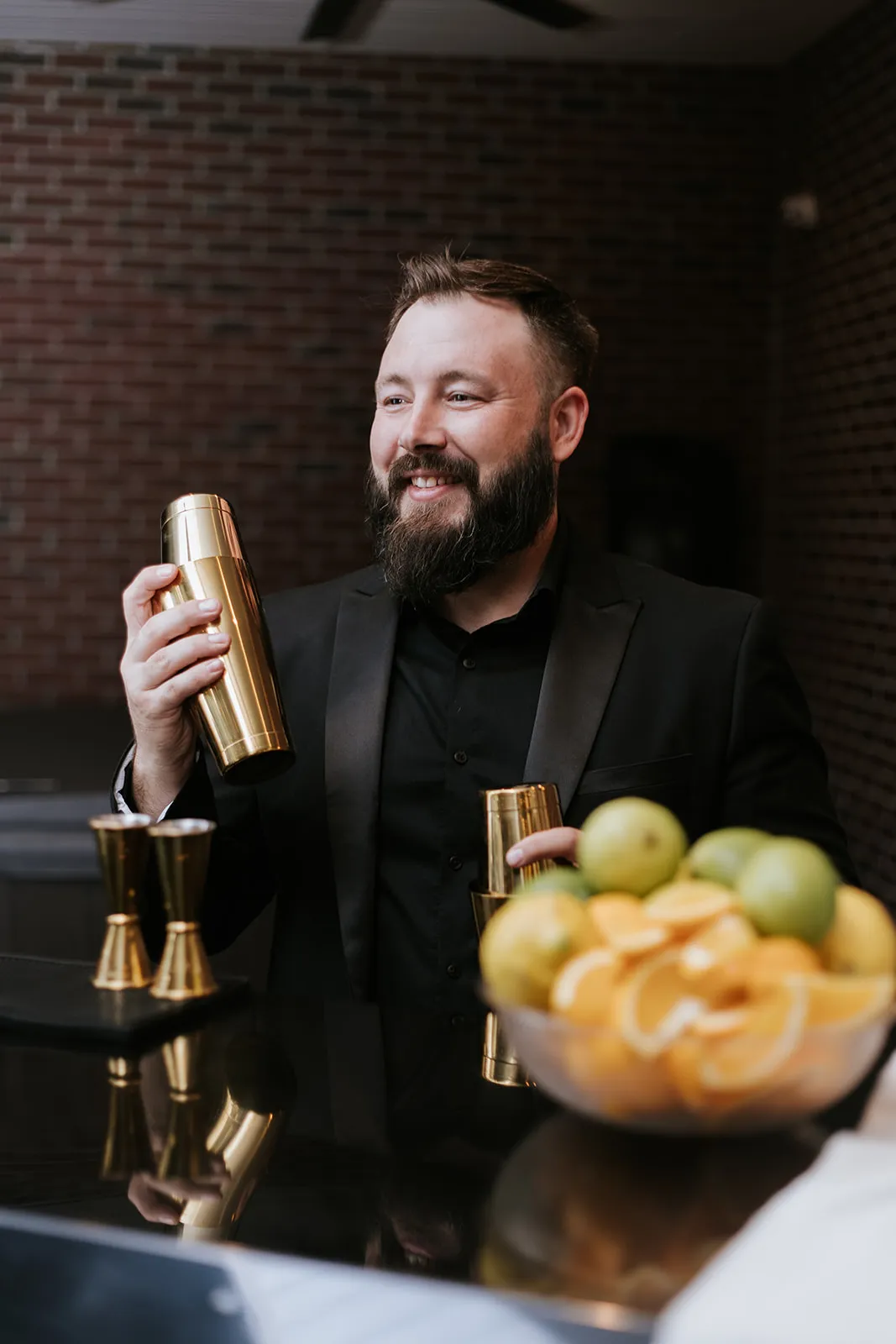
I run WinterBrooke Bar, a licensed and insured mobile bar service out of Orlando. I’ve worked 225+ events across Central Florida and have 38 Google reviews, all five stars.