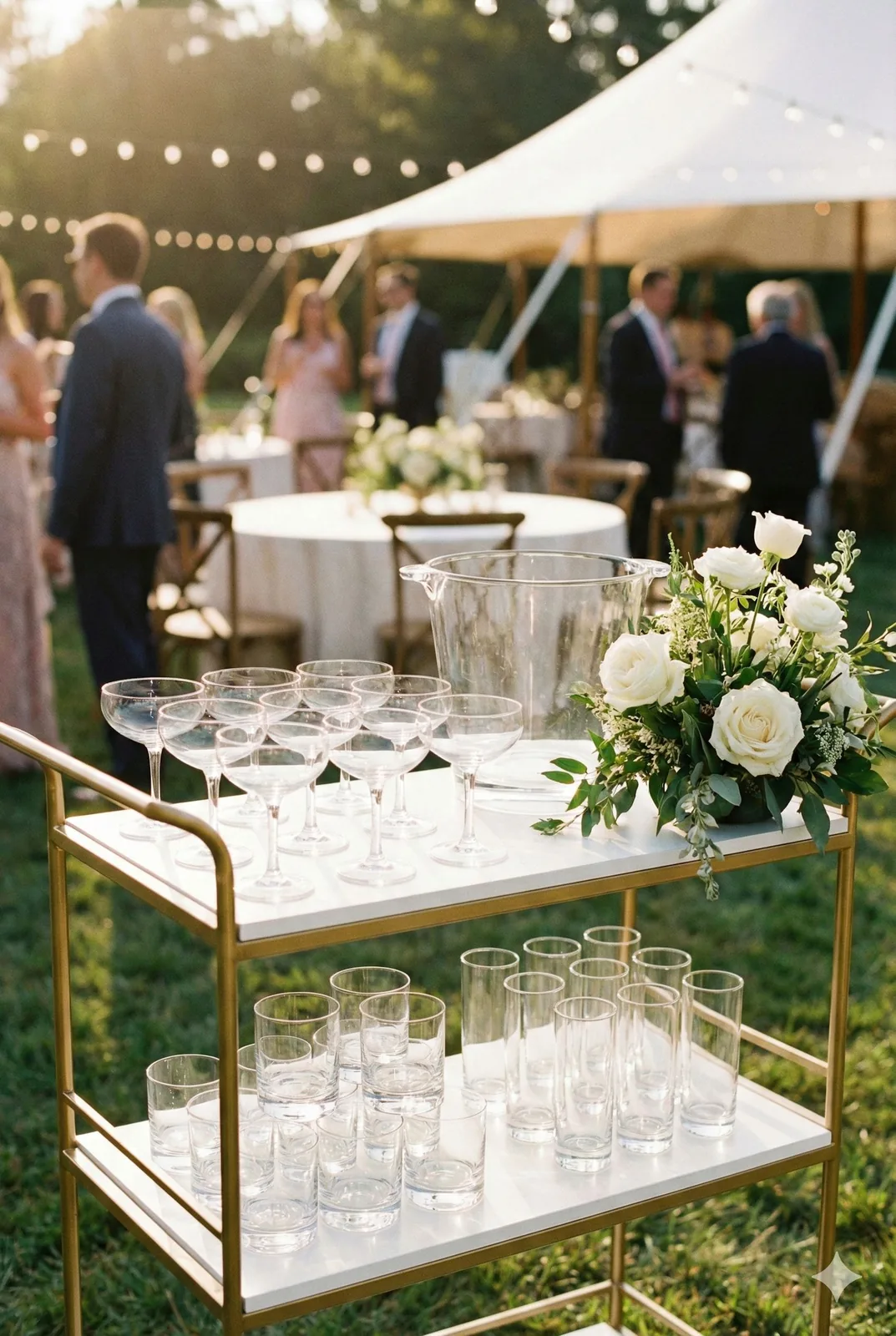
This is the question I get more than any other, and I have a strong opinion on it that some bartenders would argue with.
About 95% of parties don't need a full open bar. They need two or three specialty cocktails and cold beer. That's what people order anyway.
The short answer
- Two signature cocktails plus beer covers almost any crowd.
- A full back bar slows the line down for a handful of orders.
- Wine is optional, honestly — but people like having it there.
- Always have a real zero-proof option, not just soda.
- Bar service starts at $850. The alcohol is separate, at cost.
Why I push back on the full open bar
Picture the line. Somebody orders an old fashioned, which is fine, that's thirty seconds. Then somebody wants a mojito, which means muddling. Then someone asks for something with three ingredients I'm now hunting for behind twelve bottles.
Meanwhile eleven people are waiting, and nine of them want a beer or the thing on the menu.
The single biggest factor in whether guests remember your bar fondly is whether the line moved. Not the cocktail list. The line. A tight menu pours roughly twice as fast as a full back bar, and the room feels completely different because of it.
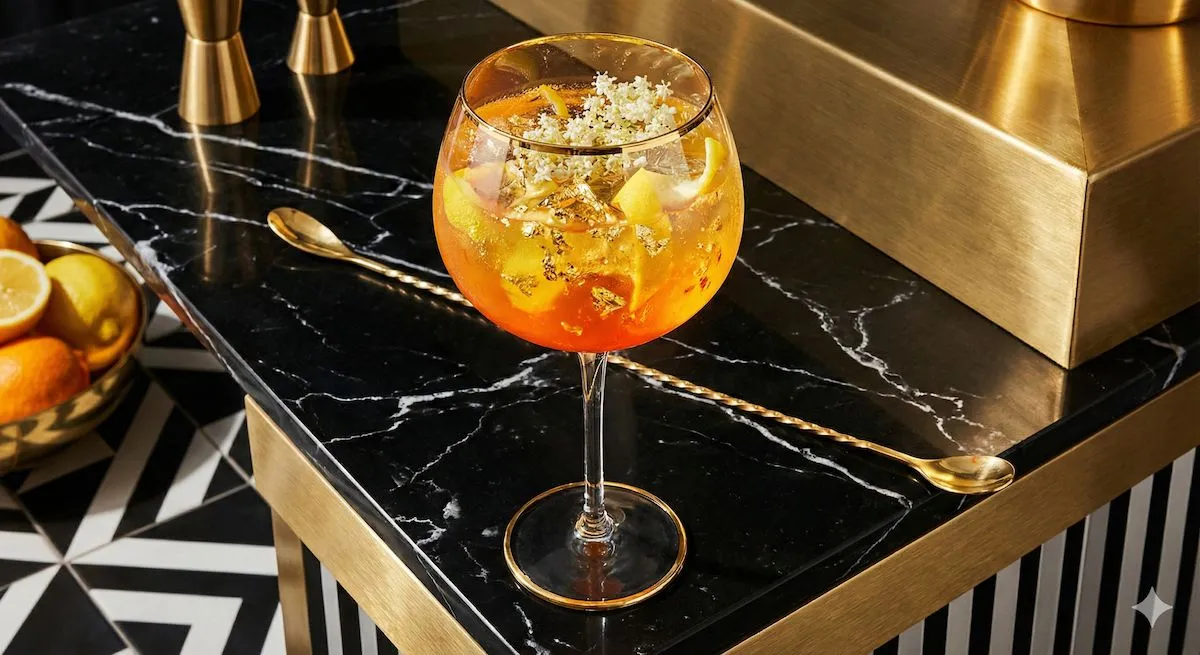
What I actually recommend
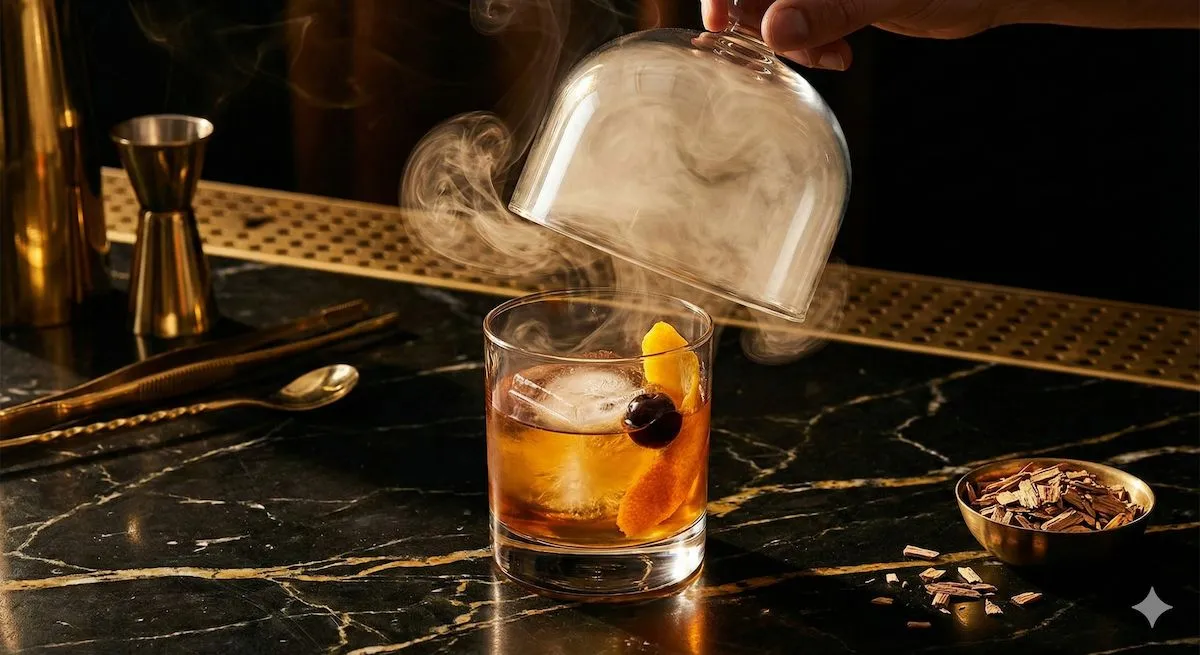
- Two signature cocktails. One spirit-forward, one light and refreshing. That split covers most preferences.
- Beer. Two options is plenty. One familiar, one local.
- Wine. A red and a white. Honestly you could skip it — but people like knowing it's there, and a couple of open bottles costs you almost nothing.
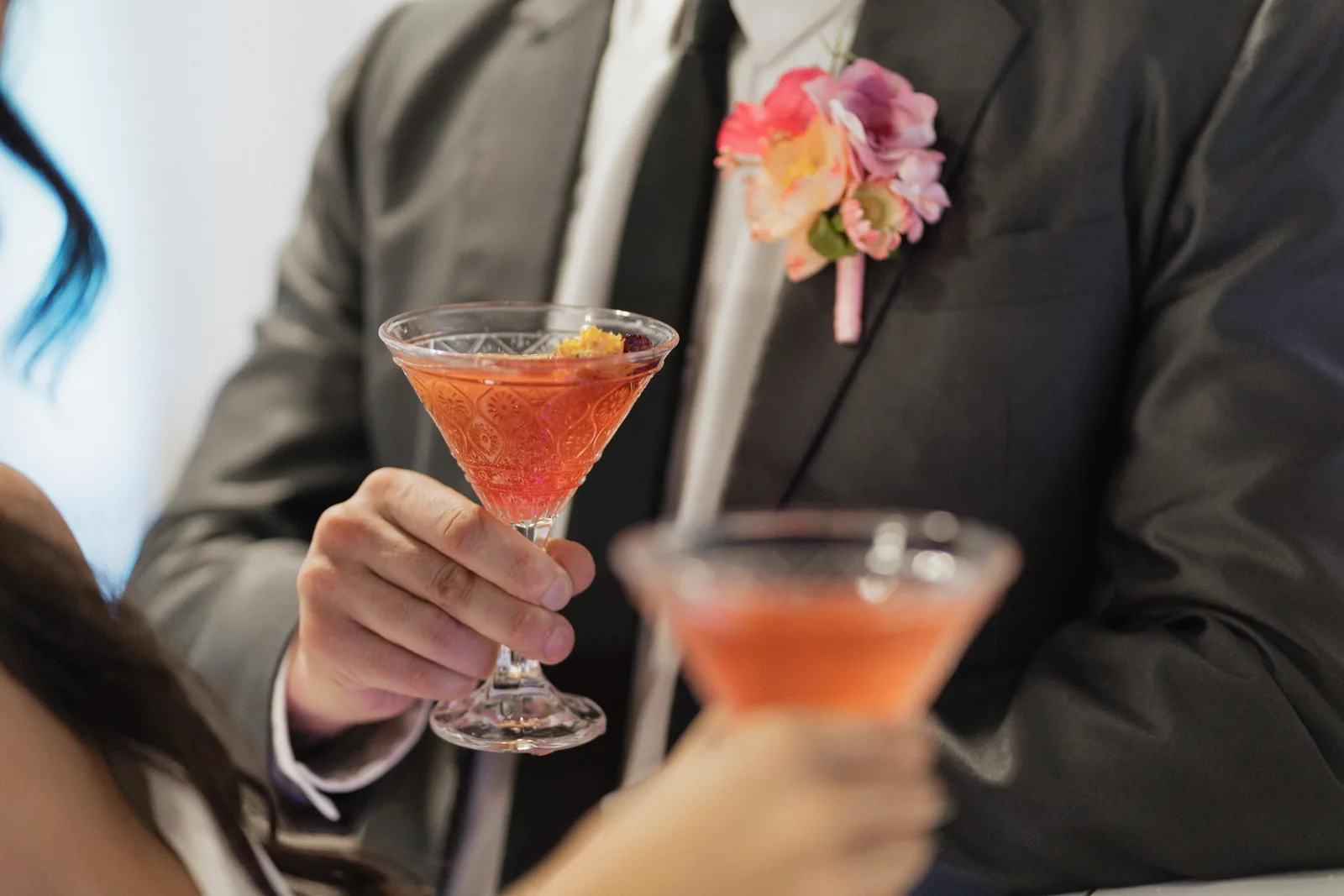
- A real zero-proof cocktail. Same glass, same garnish, same care as the alcoholic ones.
That's it. Four or five things. It photographs better, it pours faster, and your alcohol order gets dramatically simpler.
The zero-proof thing matters more than you think
At any given event a real chunk of the room isn't drinking — pregnancy, medical, religious, sober, designated driver, or just not in the mood. At corporate events, add "doesn't want to drink in front of their boss," which is more common than anyone plans for.
If those guests get water and a warm Sprite, the bar has quietly told them they don't matter. Give them something built properly in the same glassware and the whole tone of the room changes. It costs almost nothing. It's the easiest win on this entire list.
When a full open bar does make sense
I'm not against it in every case:
- Smaller, longer events. Forty people over five hours — the line isn't the issue, so variety is nice.
- A crowd that genuinely drinks widely. Some rooms really do want their own thing. You usually know if that's yours.
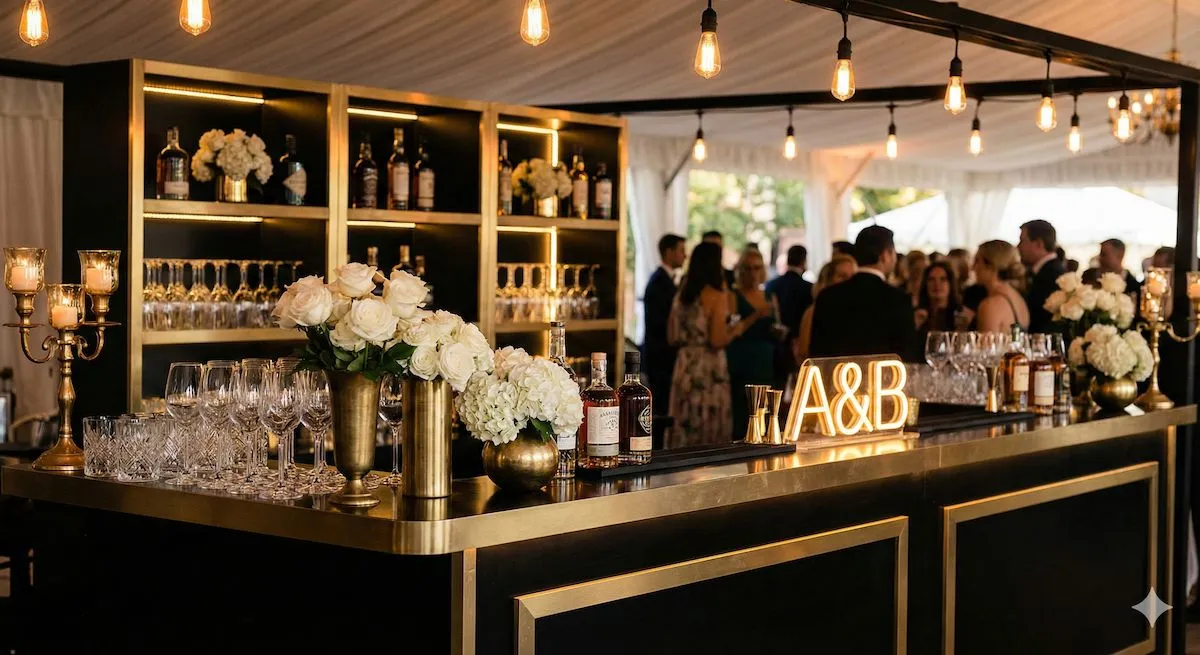
- Two bars. If you've got the headcount for a second service point, one can run full and one can run fast.
What it does to your alcohol bill
A tight menu means you're buying fewer bottles, more accurately. A full back bar means buying twelve bottles to cover every possible request, and most of them come back barely touched.
That's less painful with me than with a venue bar, because unopened bottles go back for a refund. But it's still money sitting in your trunk instead of in your pocket. The alcohol calculator will show you the difference between the two approaches in about a minute.
If you want help building a two-cocktail menu that actually fits your crowd, that's my favourite part of the job. Send me the date and I'll put something together.
Questions I actually get asked
Is beer and wine only cheaper than an open bar?
Yes, and usually by a lot, because you are buying far fewer bottles. Adding two signature cocktails to beer and wine costs very little more and covers almost every guest, which is why WinterBrooke Bar recommends that combination for most events.
How many signature cocktails should we offer?
Two is the sweet spot. One spirit-forward and one light and refreshing covers most preferences, keeps the line moving and makes the alcohol order far simpler to buy accurately.
Do we need to offer wine?
Not strictly. Most guests order beer or the signature cocktails, but a red and a white costs almost nothing and people like knowing the option exists, so WinterBrooke Bar usually includes it.
What should we serve guests who aren't drinking?
A proper zero-proof cocktail built in the same glassware with the same garnish as the alcoholic drinks. Every WinterBrooke Bar menu includes at least one, because at any event a meaningful share of the room is not drinking.
Does an open bar slow down service?
Yes. A full back bar means more complex builds and more searching, which stacks the line up behind a handful of orders. A tight menu of two cocktails plus beer pours roughly twice as fast.
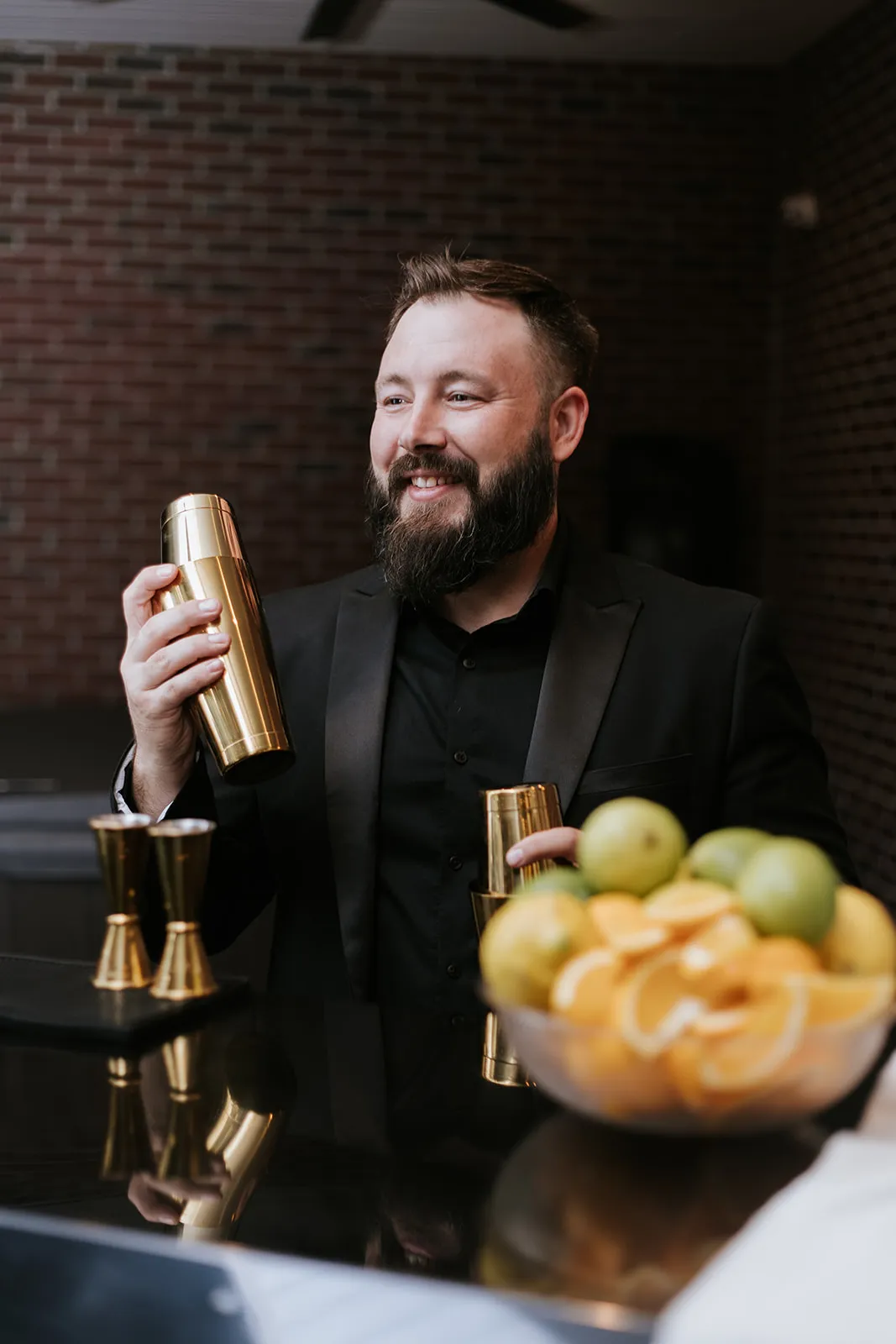
I run WinterBrooke Bar, a licensed and insured mobile bar service out of Orlando. I’ve worked 225+ events across Central Florida and have 38 Google reviews, all five stars.